Getting Your Car Wrapped? Here's What PPF Installation Actually Involves
When you decide to change the color of your car or add a protective layer to the factory paint, two terms inevitably come up: vinyl wraps and paint protection film. Both have a reputation for transforming a vehicle's look, but they serve different purposes. I have spent years working in the automotive finishing trade, and the one thing I tell every car owner is that the process matters as much as the material. A flawless finish is not just about the roll of film you pick. It is about the skill and method behind the ppf installation.
Let me walk you through what actually happens when a professional shop takes on this work. Whether you drive a daily commuter or a weekend showpiece, understanding the steps helps you know what to look for and why certain techniques separate a lasting result from a disappointing one.
The Difference Between a Vinyl Wrap and Paint Protection Film
Many people assume a wrap and a paint protection film are the same thing. They are not. Vinyl wraps are designed primarily for color change and aesthetic customization. They come in matte finish, gloss finish, satin finish, and even textured patterns. They are made by brands like 3M, Oracal, Avery Dennison, and KPMF. These are the materials that let you turn a metallic gray car into a satin navy blue or a gloss black with a subtle metallic flake.
Paint protection film, on the other hand, is built for durability and defense. These are polyurethane films that sit on top of your existing paint to guard against chips, scratches, and UV damage. They are often clear, though some come in tinted or matte versions. The best ones are self-healing, meaning minor swirl marks disappear when the film warms up in the sun. A ppf installation focuses on preserving the original paint underneath while still giving you the appearance you want.
A shop like Car Wrap Studio Singapore handles both types, but the approach is not the same. The technique, the tools, and the environment all shift depending on whether you are laying down a vinyl wrap or a polyurethane film.
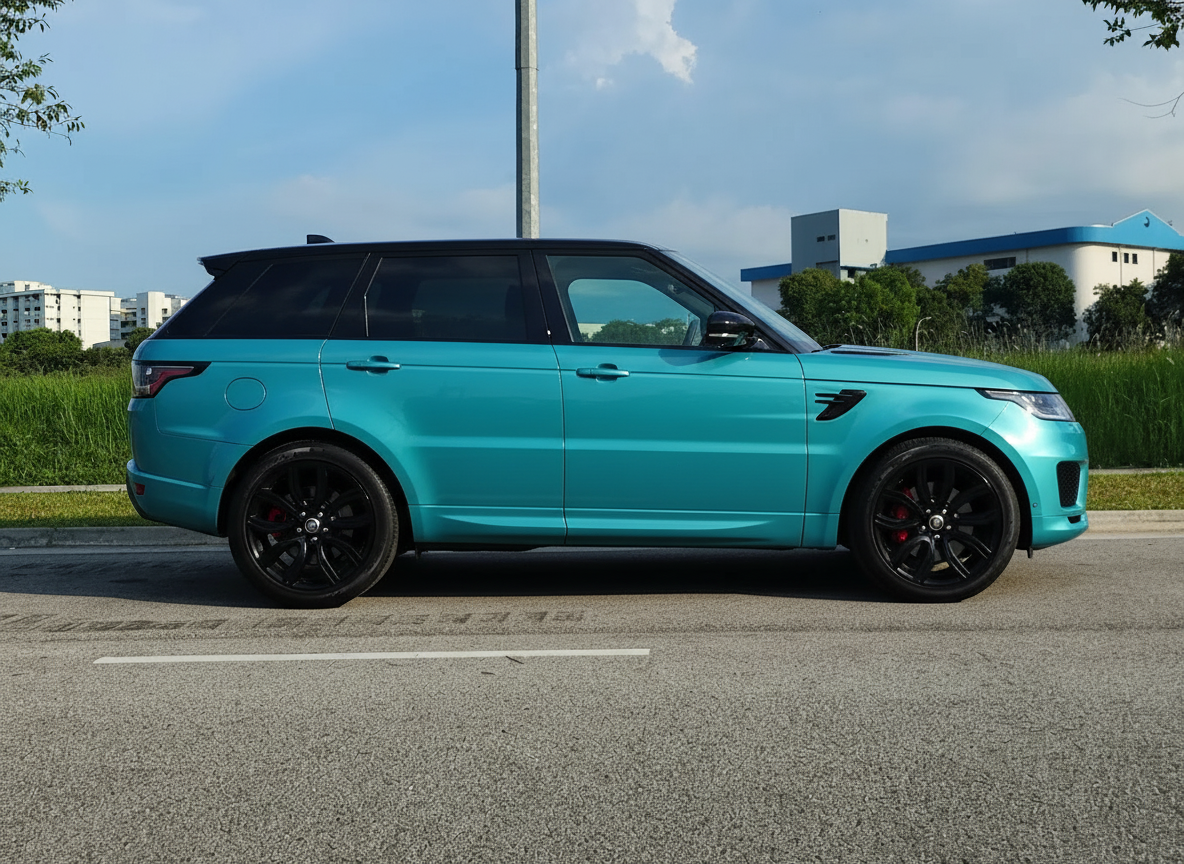
Preparation: The Foundation of Any Good Wrap
Before a single piece of film touches the car, the surface has to be spotless. That sounds obvious, but I have seen too many rushed jobs where the prep was skipped. The car goes through a thorough wash and degrease. Every speck of dirt, every bit of wax, and every trace of silicone has to be gone. Some shops use a clay bar treatment to lift embedded contaminants. Others follow up with an alcohol wipe or a dedicated surface prep spray.
After the clean, the car moves into a dust-free booth. This is not a luxury. It is a necessity. Airborne particles settle on the adhesive before the film is fully bonded, and once they are trapped, they show up as tiny bumps under the surface. A proper dust-free booth keeps the environment controlled, with filtered air and minimal traffic. It is one of the first signs of a professional operation.
Tools of the Trade
The tools used during a ppf installation matter more than most people realize. The heat gun is the most visible one. It softens the film so it can stretch around curves and compound contours without lifting. But heat is a double-edged sword. Too much, and the film shrinks or burns. Too little, and it will not conform properly, leading to lifting at the edges later.
The squeegee is the other essential tool. It is not a simple plastic scraper. A good squeegee has a felt or rubber edge that glides over the film without scratching it. The technician uses it to push out air bubbles and excess adhesive. The pressure has to be even and controlled. A single heavy-handed pass can create a crease that is impossible to remove.
For wet application, a mild soap solution is sprayed onto the surface before the film is laid down. This allows the film to be repositioned slightly before the water is squeegeed out. Dry application uses no liquid and relies entirely on the tack of the adhesive. Each method has its place. Wet application is common for large flat panels. Dry application is often preferred for intricate areas where water could get trapped.
The Installation Process Step by Step
Every installer develops their own rhythm, but the core steps are consistent. The film is first cut roughly to size with extra material around the edges. Then it is positioned on the panel. The backing is peeled away as the film is laid down, usually starting from the center and working outward. The squeegee follows immediately, pushing out air and liquid.
For curved surfaces like bumpers and fenders, the heat gun comes into play. The film is warmed just enough to become pliable, then stretched gently into place. This is where experience shows. A novice might pull too hard and distort the pattern or leave thin spots. A seasoned installer knows how much stretch the film can take before the adhesive pulls away from the substrate.
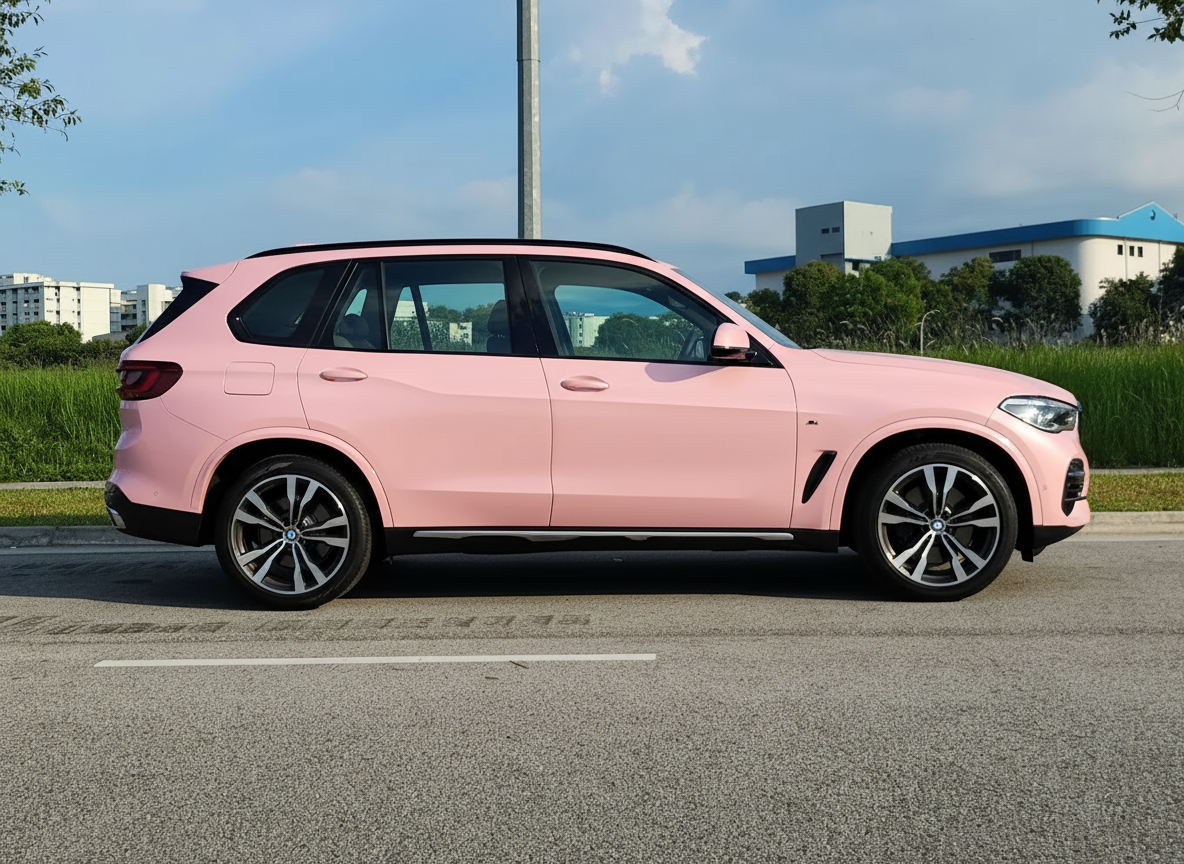
Trimmed edges are another mark of quality. The film is cut along panel seams and body lines so that the edge is hidden. No ragged cuts, no overlapping material. The goal is seamless installation, where the film looks like it was painted on. When done well, you cannot tell where the film ends and the paint begins.
For a ppf installation, an extra step is often added: a final heat treatment to activate the adhesive fully and seal the edges. This helps prevent peeling at the corners and around the wheel wells. Some shops also apply a clear coat over the film for added gloss and scratch resistance, though this is more common on high-end builds.
Common Mistakes and How to Avoid Them
Even with good materials, a poor installation ruins the result. The most frequent issues I see are:
- Lifted edges around compound curves because the film was not heated enough or the surface was not clean.
- Tiny bubbles or dust trapped under the film because the environment was not dust-free.
- Stretch marks or thin spots where the film was pulled too hard during dry application.
- Misaligned seams that break the visual flow of a color change.
- Adhesive residue left behind when a wrap is removed, usually from inferior film or improper removal technique.
A good shop will offer an installation warranty against these kinds of defects. That warranty is not just a piece of paper. It shows the shop stands behind the work. If a seam lifts or a bubble appears after a few weeks, they will fix it. That is the kind of protection you want when you are investing in a custom look for your car.
Choosing the Right Shop
Not every shop that offers wraps has the same level of skill. Look for a studio that specializes in automotive work, not one that does signs and banners on the side. Ask about their experience with the specific film you want. If you are after a matte finish, ask to see examples of matte wraps they have completed. Matte finishes are less forgiving of imperfections than gloss finishes because they show every ripple.
A shop that lets you preview the design on your own car before committing is a huge advantage. It takes the guesswork out of choosing a color or finish. You can see how the light hits the curves of your specific model before a single piece of film is cut.
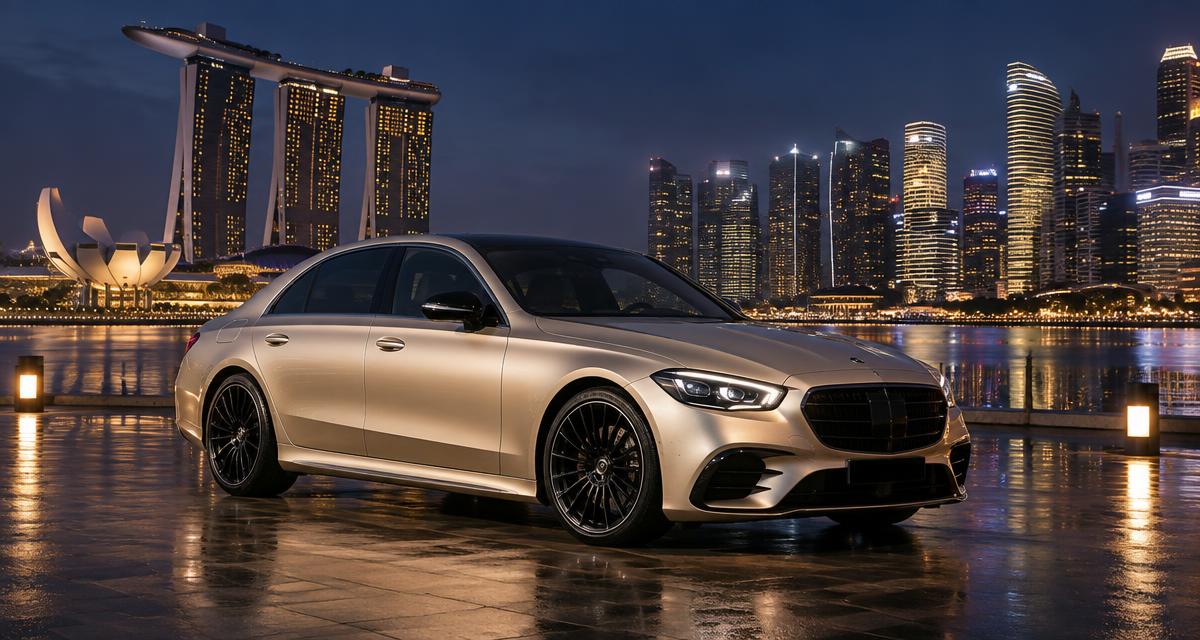
Also, ask about the removal process. A good installation is reversible. The film should come off cleanly without damaging the paint or leaving sticky residue. If the shop does not have a clear procedure for removal, that is a red flag.
Final Thoughts on PPF and Vinyl Wraps
A car wrap is a blend of art and engineering. The materials have come a long way in the last decade. Modern polyurethane films and vinyl wraps from reputable brands offer outstanding durability and visual depth. But the material is only half the story. The other half is the installation. A meticulous ppf installation can make a standard wrap look like a custom paint job. A sloppy one can ruin even the most expensive film.
If you are considering a color change for your car, take the time to research the process. Visit the shop. Look at their finished work. Ask about their tools and their environment. A professional installer will be happy to explain their methods. They will not rush you, and they will not cut corners. That is the kind of investment worth making.